
The first day of Music Summit Malta turns the spotlight on one of the industry's most urgent conversations: the role of AI and technology in shaping the modern music landscape.
Artificial intelligence is no longer a distant possibility; the rules of the music economy are being rewritten in real time. Whether you're an artist looking to stay ahead of the curve, an investor tracking where the smart money is heading, or simply curious about where musical innovation goes next, you won't want to miss these panels.
01 / 02 / Day 1
Building the Next Global Music Hub - How emerging ecosystems are redefining where music innovation happens
/11:00/Main StageProgramme →
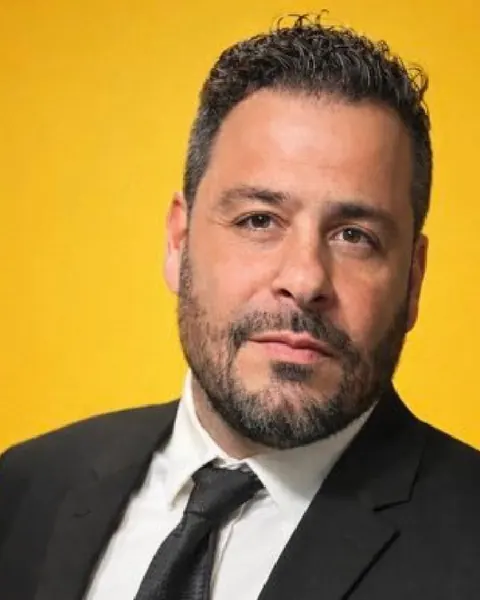
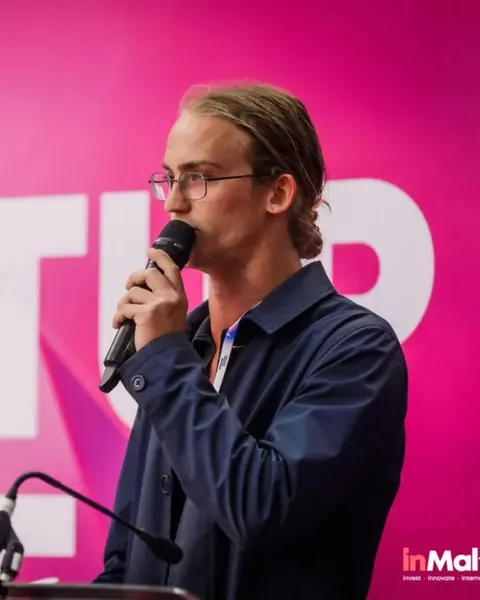
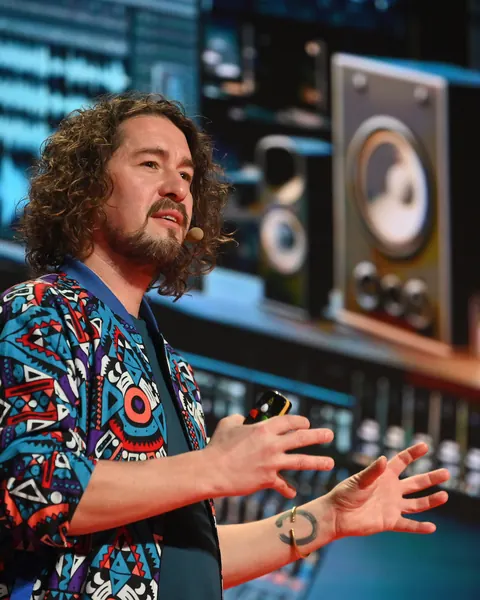
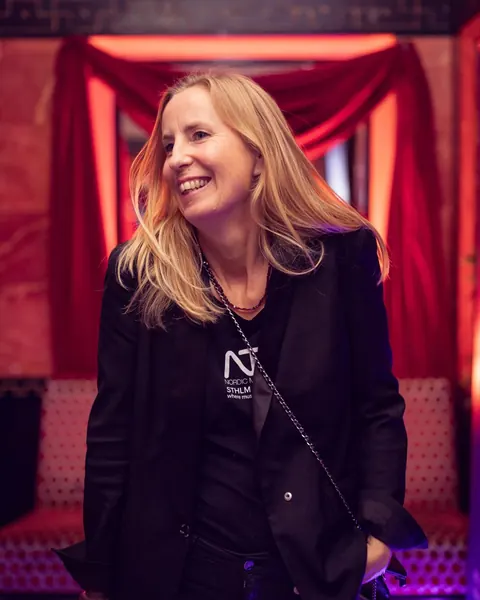
The geography of the music industry is changing. While established global centres continue to play a vital role, a new generation of cities and countries is emerging by creating attractive environments for entrepreneurs, creators and technology companies. Malta is one of several international examples, demonstrating how smaller markets can create outsized global influence.
Moderated by President and Co-Founder of Technotainment Streaming Media — the company behind STRMIT.tv, a creator-owned federated streaming platform — and Malta's former Special Envoy for Startup Innovation, Wesley Ellul has spent two decades building media and tech ventures across Malta, Europe and North America.
Aidan Somers, Founder of AISO Academy and Relay.music, and President of the Malta Music & Performing Arts Complex, left formal schooling at 16 and built a studio and label before founding AISO, which now runs EU-funded projects rebuilding music education across Malta and Gozo. He's carried that grassroots build to stages like London Tech Week and the Music Cities Convention, with an entrepreneurial view of what it takes to build up a small scene.
As President of MusicTech Germany and co-founder of Music Tech Europe, Matthias Strobel Hohmann is Germany's central contact for music tech innovation, with a network spanning founders, researchers and policymakers. He teaches music tech innovation at NYU's Clive Davis Institute, curates MUSIC FRONTIERS, and built the Berlin Music Tech Meetups into a 2,500-plus member community; a case study in what a mature, organised national ecosystem looks like from the inside.
As CEO of Nordic Music Tech, Jenny Björk bridges innovation, technology, industry and capital across the Nordics and wider Europe. She has curated high-profile events with partners like Google, Stockholm Business Region and KTH, facilitating a comparison between this cross-border, multi-country ecosystem model, alongside Germany's national approach, and Malta's island-sized one.
What makes a modern music ecosystem globally competitive? Is it access to talent, investment, favourable regulation, strong education, international connectivity or simply an ambitious community? Through perspectives from policymakers, entrepreneurs and ecosystem builders, this opening discussion explores how regions compete for innovation and how international collaboration is reshaping the global music economy.
02 / 02 / Day 1
Building Trust in the AI Music Economy
/15:15/Main StageProgramme →
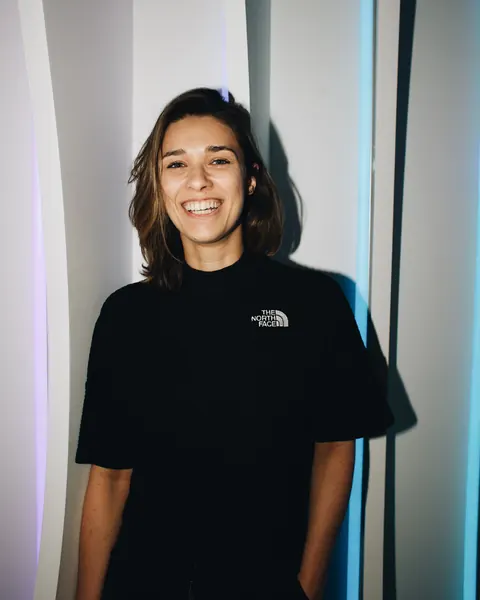

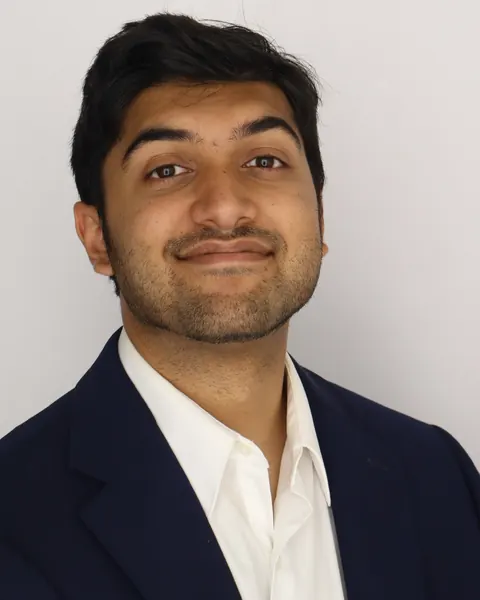

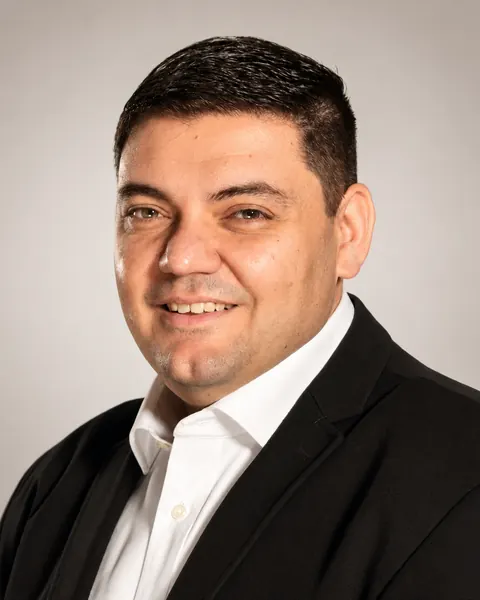
Innovation without trust cannot succeed. As artificial intelligence becomes increasingly integrated into music creation, distribution and consumption, the industry faces fundamental questions about transparency, attribution, copyright, licensing and creator consent.
This stacked panel, moderated by MusicTech Poland’s Head of R&D, Aga Samitowska, pulls together perspectives from across the value chain to tackle some of the biggest questions in the industry right now; how should organisations build trustworthy AI systems? What responsibilities do technology companies have? And how can policymakers support innovation while protecting creators?
Amongst the panelists we find Gabriella Heybourne, who currently leads music operations at ElevenLabs, where she works to ensure value flows back to the artists and creators powering the company's AI voice and audio platform. She brings a decade of music industry experience to the table, spanning DJing, promotion, and digital rights.
Rithik Kundu, Managing Partner at Joker Deck Ventures and co-founder of NYU's Generative Audio & AI research group, brings both an investor's view of the space and a hands-on technical standpoint, from his blind AI-vs-human listening study presented at Sony's Technology Conference to his work advising organisations like WIPO's AI Technical Exchange Network.
Alexa Niculae, a Eurovision-winning songwriter, represents the creator's perspective. In recent years she's raised awareness of music creators' rights through WIPO's Creators Learn Intellectual Property (CLIP) platform, work that's made her one of its Champions.
Prof. Alexiei Dingli, a University of Malta AI professor with two decades in the field and a seat on the Malta.ai task force, brings the conversation to a deeper technical level, with insight on the current realities shaping how AI gets built and governed.
These conversations become increasingly important in an ever-changing world, where it’s imperative to understand the impact AI has on the future of music in all aspects before you can fully trust it.
Don’t stay behind — head over to Music Summit Malta on the 8th and 9th of October 2026 to get a head-start on the technological advancements changing the industry.